Stone Veneer vs. Full Stone: Which Is Right for Your Home?
A Wisconsin homeowner's guide from Stone Masons
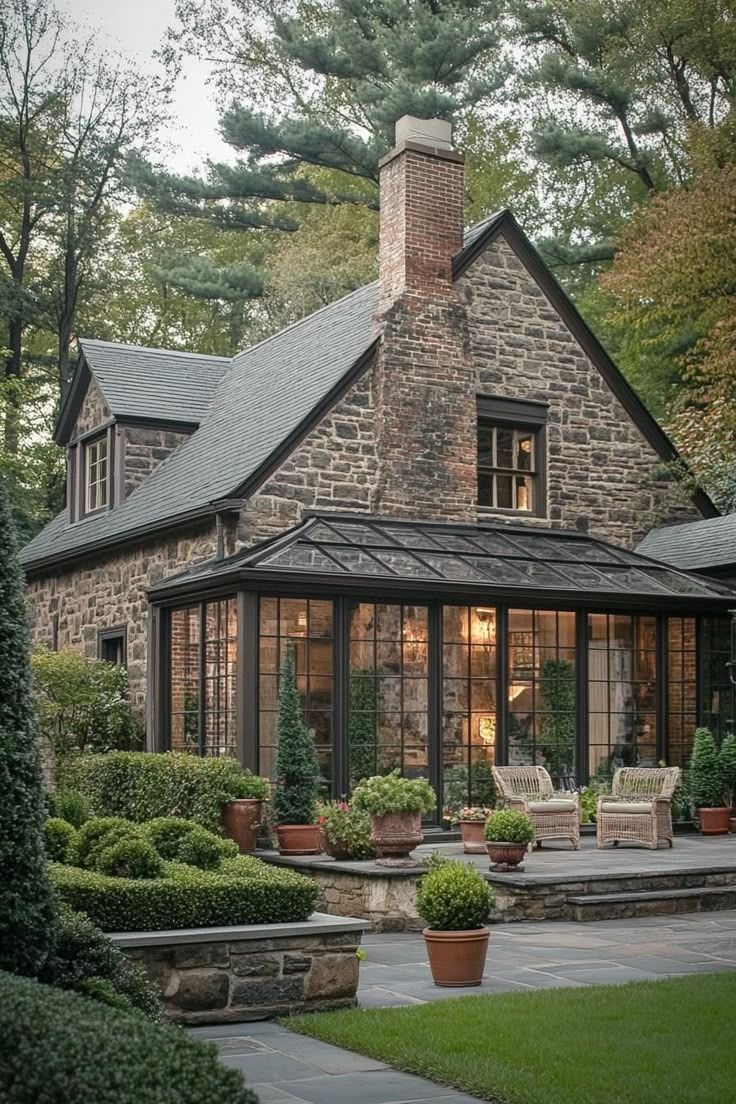
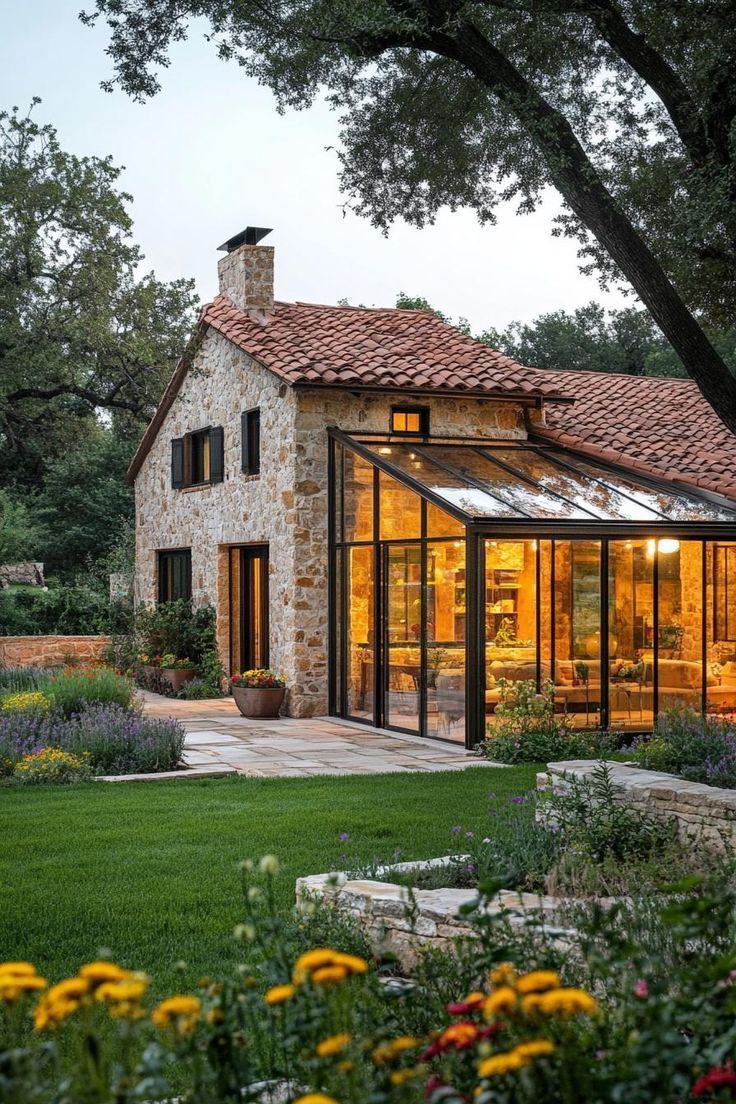
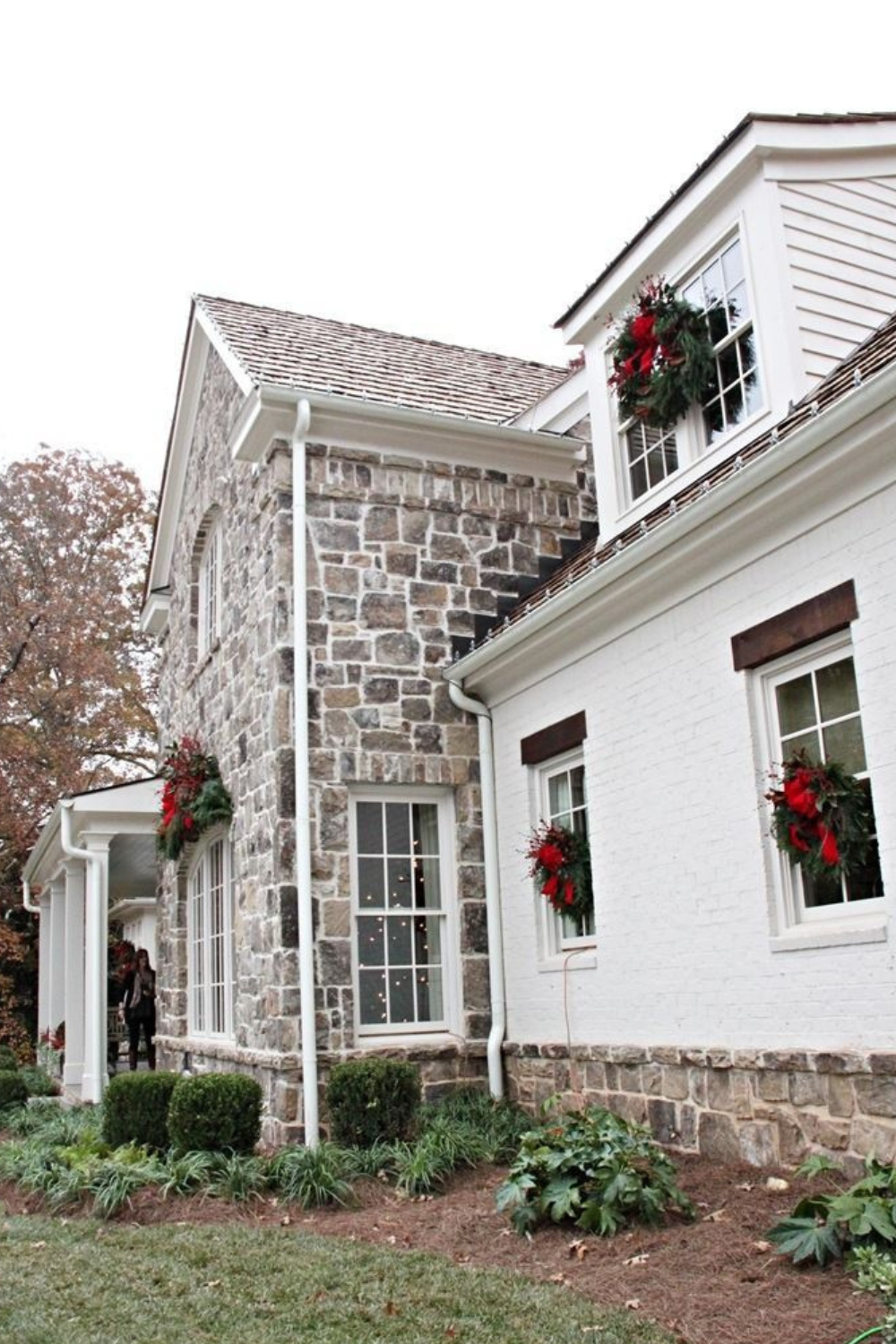
Few things transform a home like stone. A stone fireplace, an accent wall, or a full stone facade adds warmth, character, and lasting curb appeal. But when you start planning a stone project, one of the first decisions you'll face is whether to use natural full stone or stone veneer.
Both look beautiful when done right, but they differ in cost, installation, structure, and durability. Here's an honest breakdown so you can choose with confidence.
What Is Full Stone?
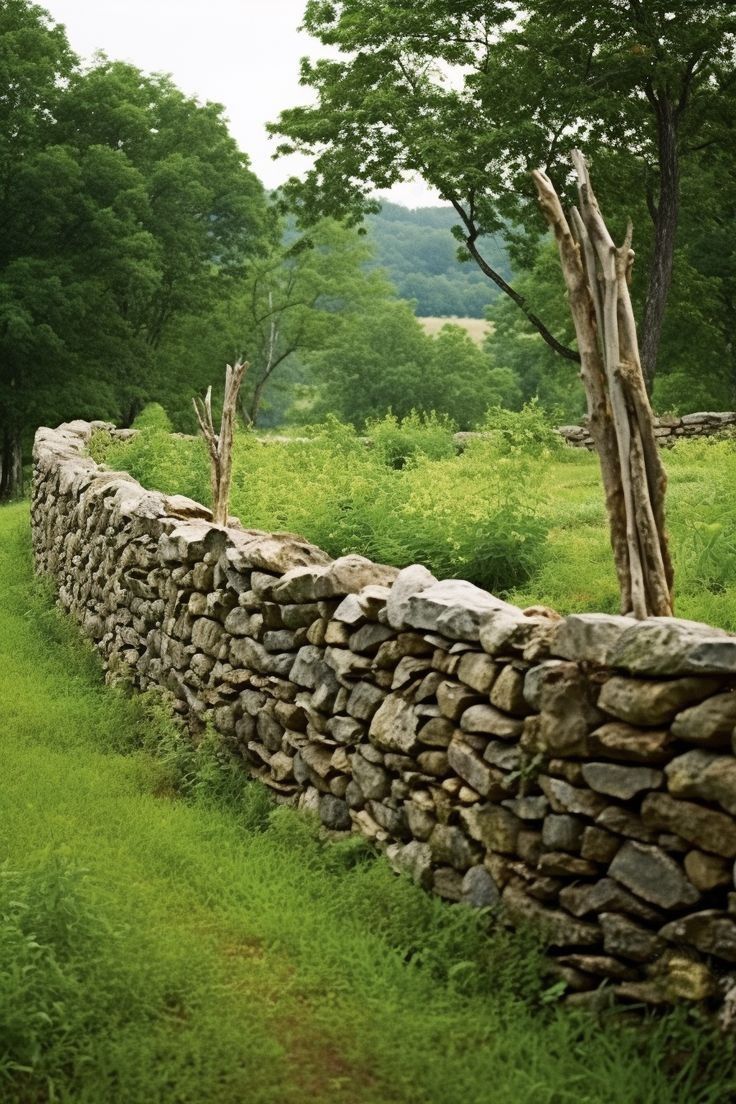
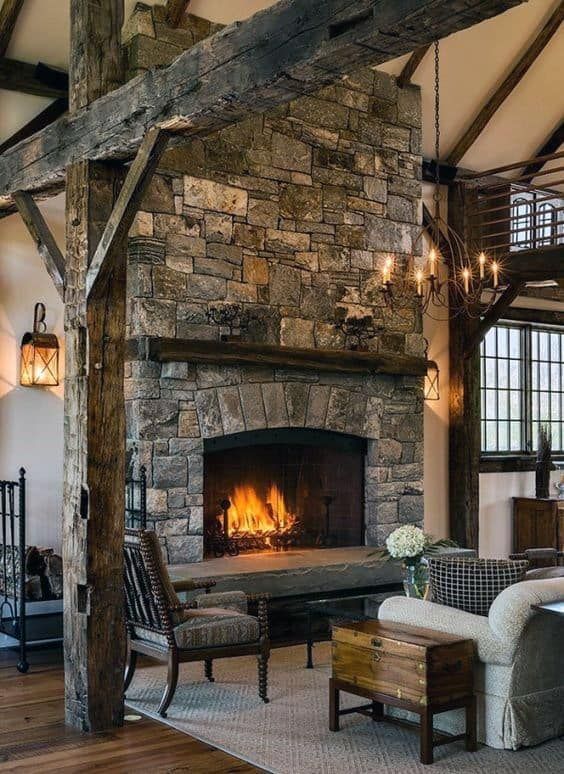
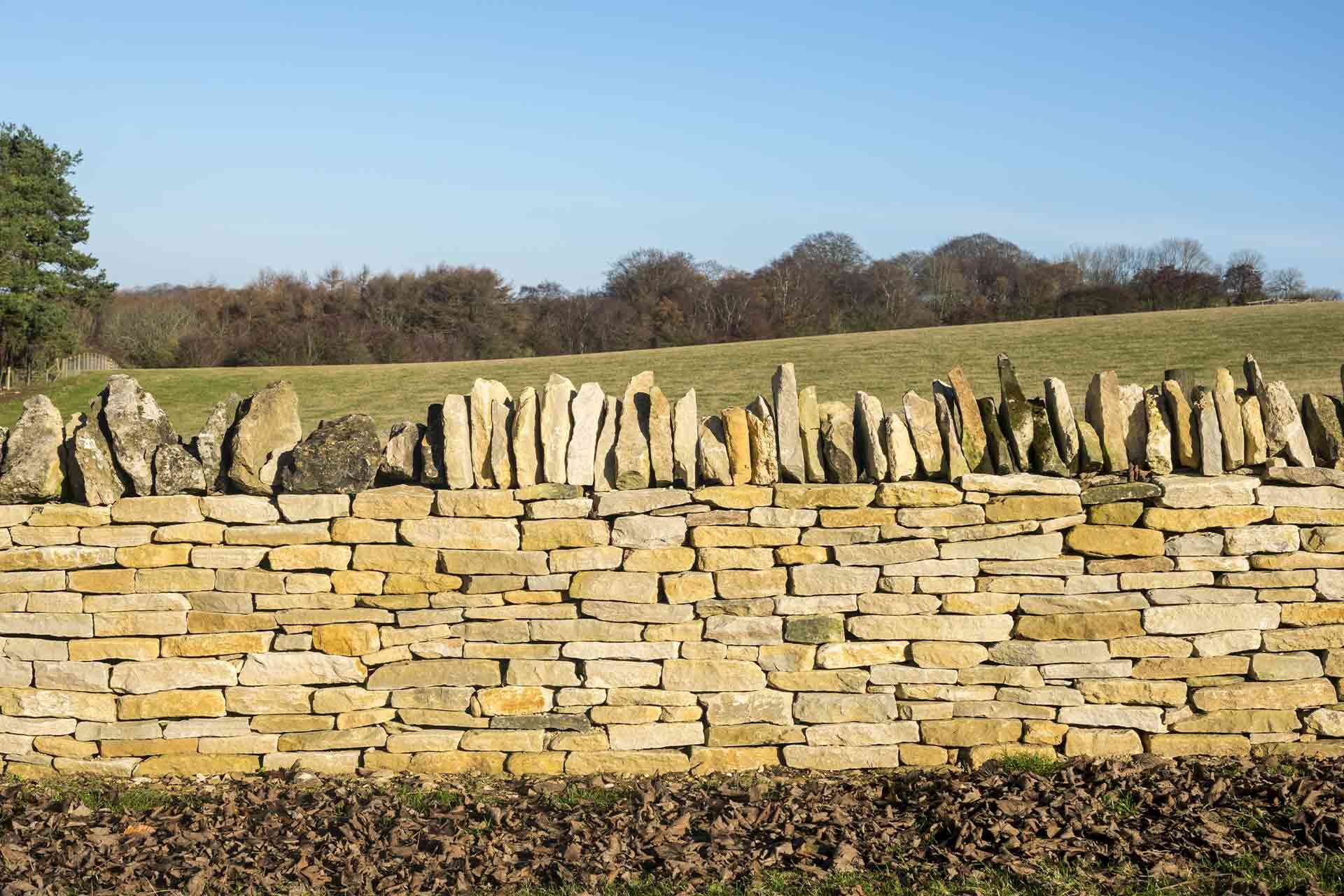
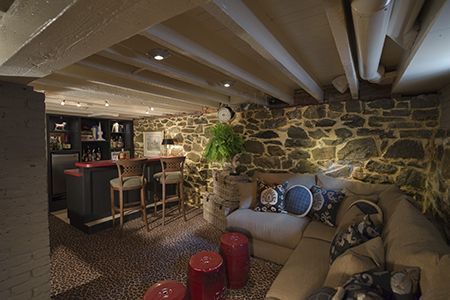
Full stone, sometimes called "full bed" or "real stone," is exactly what it sounds like: actual stone, cut thick (usually 3 to 5 inches), that forms a structural part of the wall. A full stone wall carries its own weight and requires a footing to support it. It's the same material used in historic stone foundations, load-bearing walls, and centuries-old buildings across Wisconsin.
What Is Stone Veneer?
Stone veneer is a thinner, lighter facing material applied over an existing structure, usually a wood-framed or concrete-block wall. It comes in two varieties:
- Natural stone veneer — real stone, cut thin (typically 1 to 1.5 inches), adhered to the wall with mortar.
- Manufactured stone veneer — a lightweight concrete product molded and colored to mimic natural stone, also adhered with mortar.
Veneer doesn't bear structural loads. It's a decorative skin over a wall that's already doing the work.
Cost Comparison
This is usually the biggest difference, so let's be direct:
| Stone Type | Typical Installed Cost |
|---|---|
| Manufactured Stone Veneer | $8–$15 per sq. ft. |
| Natural Stone Veneer | $15–$25 per sq. ft. |
| Full Stone | $25–$50+ per sq. ft. |
Manufactured stone veneer is the most budget-friendly option. Natural stone veneer costs more but provides the authentic look and feel of real stone. Full stone generally costs the most because it's heavier, requires more labor, and needs structural support such as footings.
For a medium-sized fireplace surround, veneer might run $2,500 to $6,000, while the same fireplace in full stone could easily exceed $8,000 to $12,000.
Durability and Lifespan
A properly built full stone wall can last a century or more, which is why historic stone homes and foundations are still standing. It handles Wisconsin's freeze-thaw cycles extremely well because it's a massive, self-supporting system.
Stone veneer, when installed correctly with proper moisture barriers and drainage, can last 30 to 50 years or longer. The weak point is rarely the stone itself; it's the installation. Improper flashing, poor mortar, or missing weep screeds can let moisture get trapped behind the veneer, which is the main cause of veneer failures we see in our repair work.
Bottom line: Full stone wins on raw longevity, but quality veneer installation can absolutely stand the test of time.
Appearance
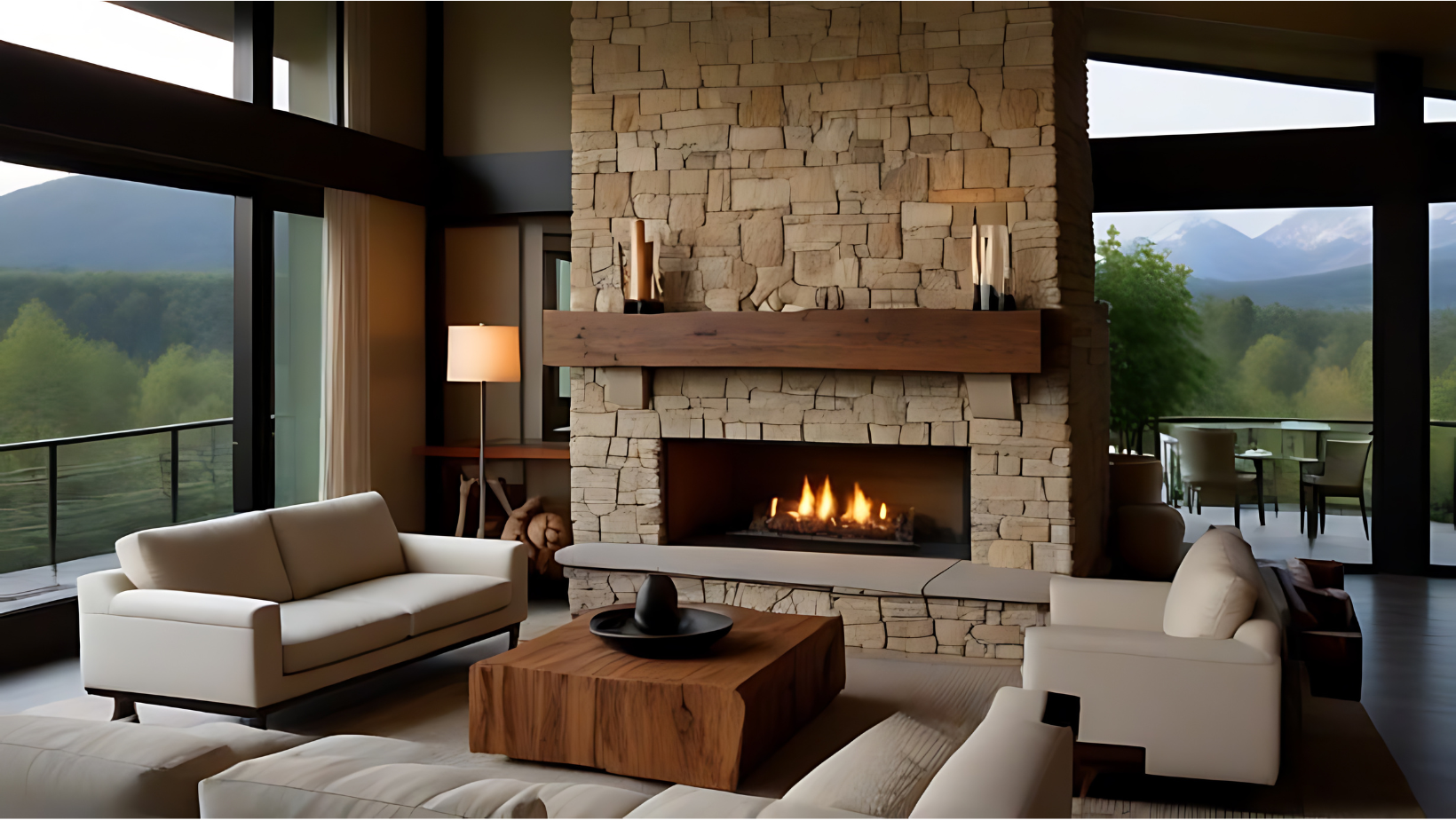
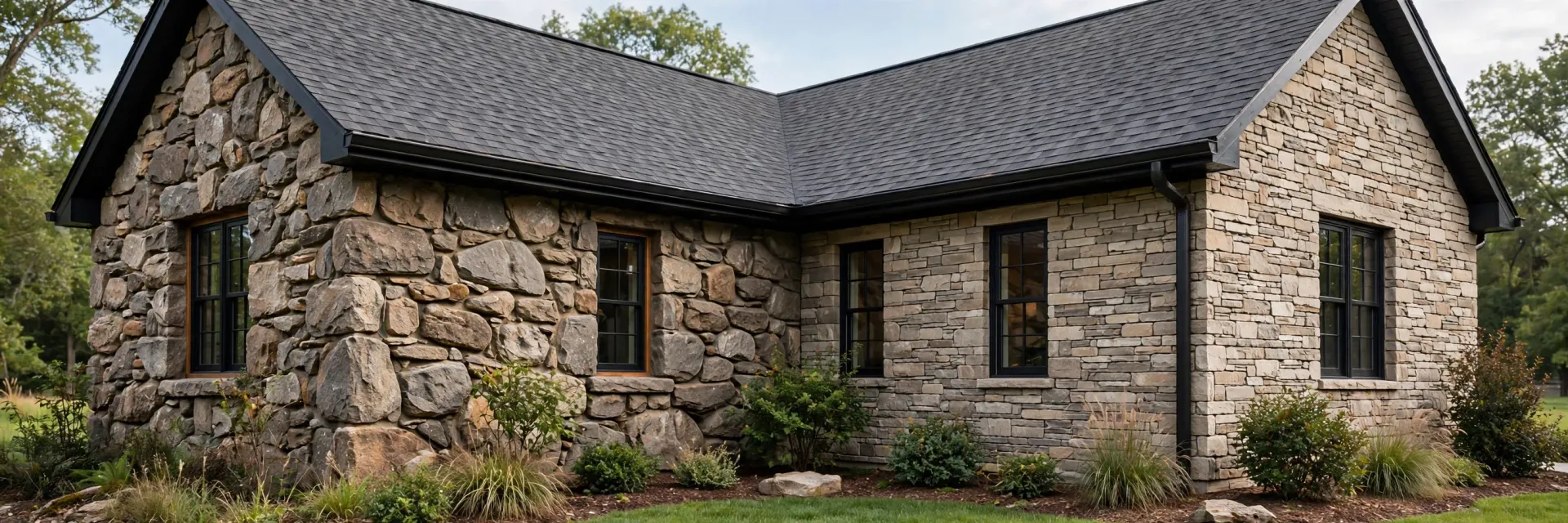
Here's where the lines blur. Modern manufactured veneer is remarkably convincing; many styles are cast from molds of actual stone. From the street, a well-installed manufactured veneer wall can be hard to distinguish from the real thing.
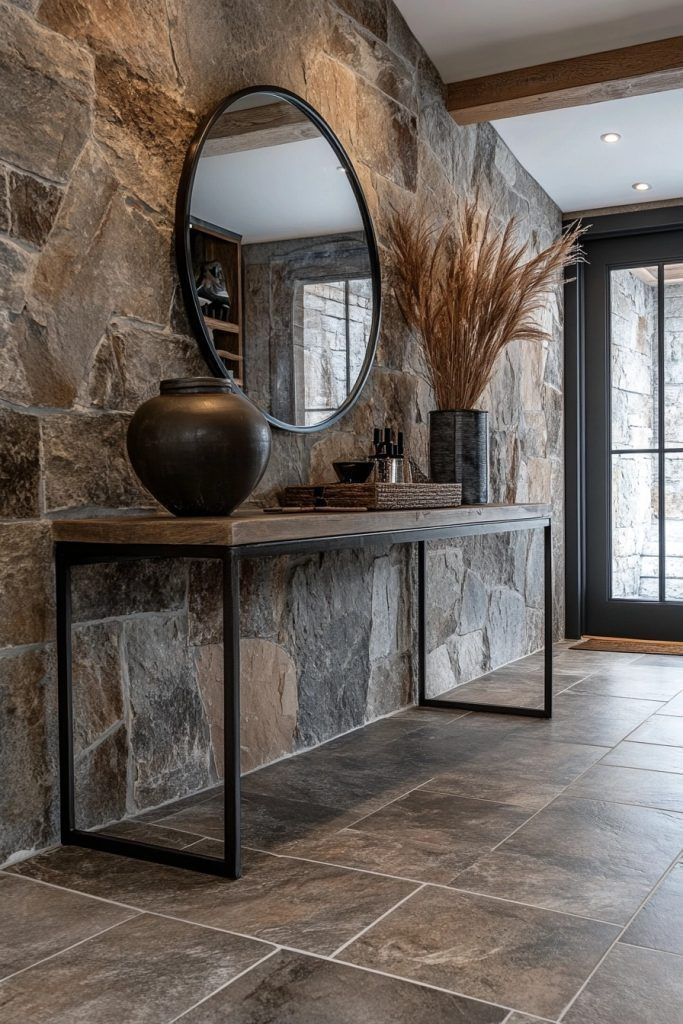
That said, natural stone, whether full or veneer, has color variation, texture depth, and weathering characteristics that manufactured products can't fully replicate. Up close, on a fireplace or entryway where people see it every day, natural stone still has an edge in richness and character.
Weight and Structural Requirements
This is often the deciding factor. Full stone is heavy, hundreds of pounds per square foot, and needs:
- A concrete footing or foundation to support it
- A structure engineered to carry the load
- Professional installation by an experienced stone mason
Veneer, at a fraction of the weight, can go over existing wood framing, making it the practical choice for most residential remodels, second-story accents, and fireplace updates where adding footings isn't realistic.
Maintenance
- Full stone: Needs minimal maintenance, including occasional repointing of mortar joints every several decades and cleaning to prevent staining.
- Natural stone veneer: Needs similar care but should be inspected more often for mortar cracking or loose pieces, especially after harsh winters.
- Manufactured veneer: Should be checked for chipping, fading, or moisture intrusion behind the surface, since trapped moisture is its biggest enemy.
Which Should You Choose?
Choose Full Stone If:
- You're building new construction or a major addition where footings can be included.
- You want maximum longevity and a structural stone wall.
- Budget is less of a concern than permanence and authenticity.
Choose Natural Stone Veneer If:
- You want the look and feel of real stone on an existing home.
- You're remodeling a fireplace, entryway, or accent wall.
- You want a balance of authentic appearance and reasonable cost.
Choose Manufactured Stone Veneer If:
- Budget is the top priority.
- The project is large, such as a full facade, and full stone would be cost-prohibitive.
- You like one of the many available styles and colors.
A Note on Installation Quality
No matter which option you choose, installation is everything. Most of the stone failures we repair, from loose veneer to cracked mortar, trace back to shortcuts in the original installation: skipped moisture barriers, improper flashing, or mortar mixed and applied incorrectly.
A skilled mason with experience in Wisconsin's climate is the best investment you can make in any stone project.
Ready to Talk About Your Project?
Whether you're updating a fireplace, adding a stone accent wall, or planning a full facade, Stone Masons can help you weigh your options and do the job right the first time.
Call: 920-358-5034
Email: stonemasonswork@gmail.com
Contact us for a quote. Proudly serving homeowners across Wisconsin.