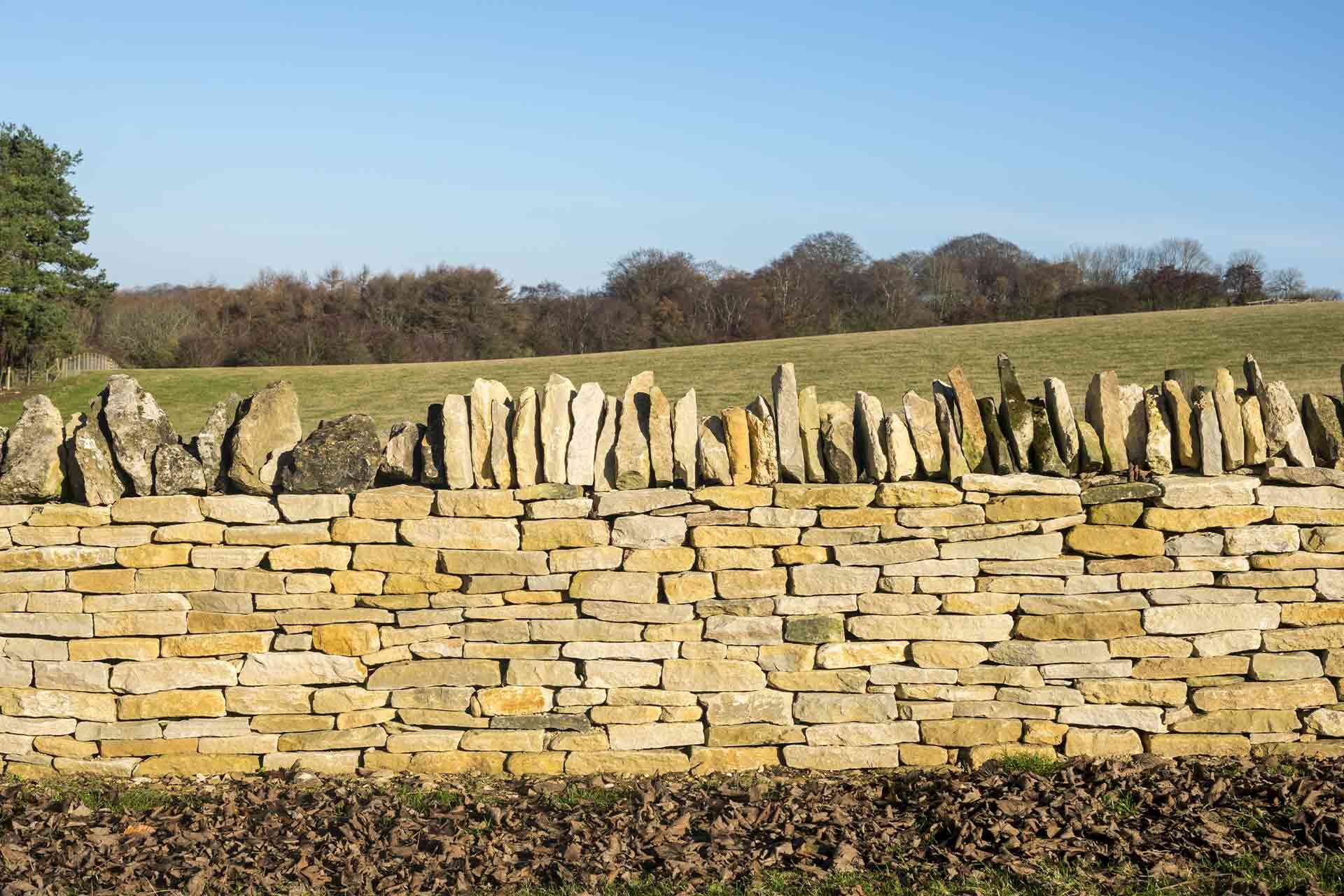
Preserving the Past: The Art of Restoring Historic Stone Foundations
Explore the challenges and rewards of restoring historic stone foundations, with a focus on preserving architectural heritage.

Historic stone foundations stand as testaments to a bygone era, bearing witness to the craftsmanship and ingenuity of generations past. However, the passage of time and the effects of weather and wear can take their toll on these venerable structures, compromising their integrity and stability. Restoring historic stone foundations requires a delicate balance of preservation and renovation, honoring the past while ensuring the structure's longevity for future generations to admire and enjoy.
Understanding Historic Stone Foundations
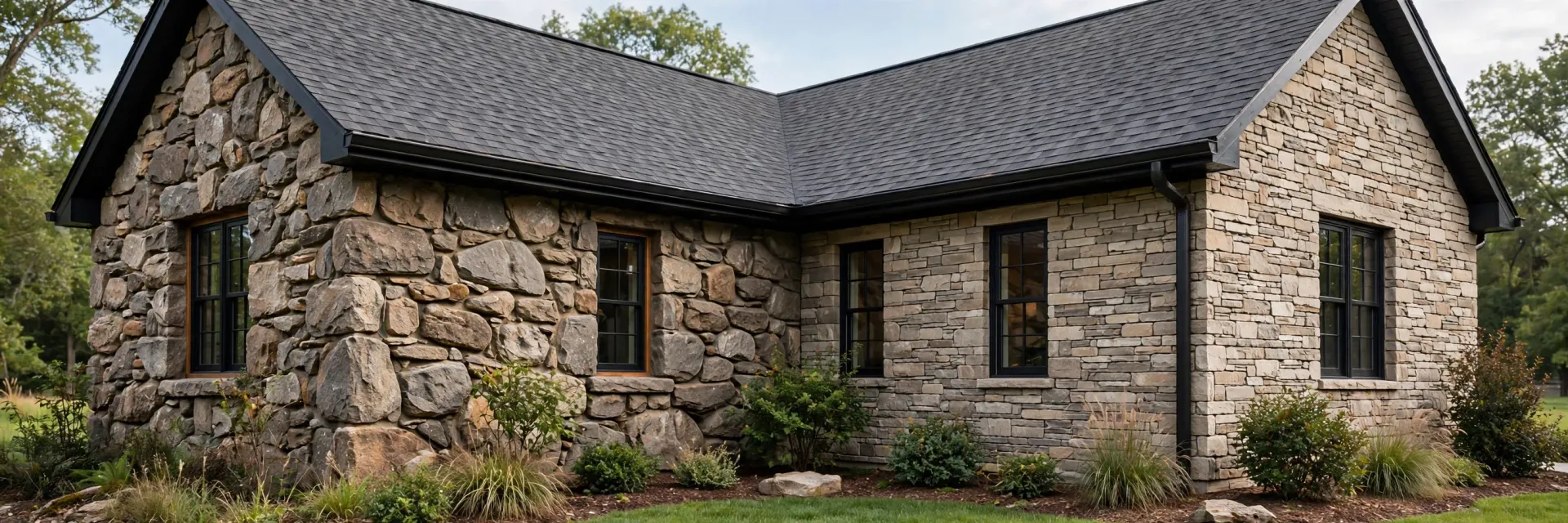
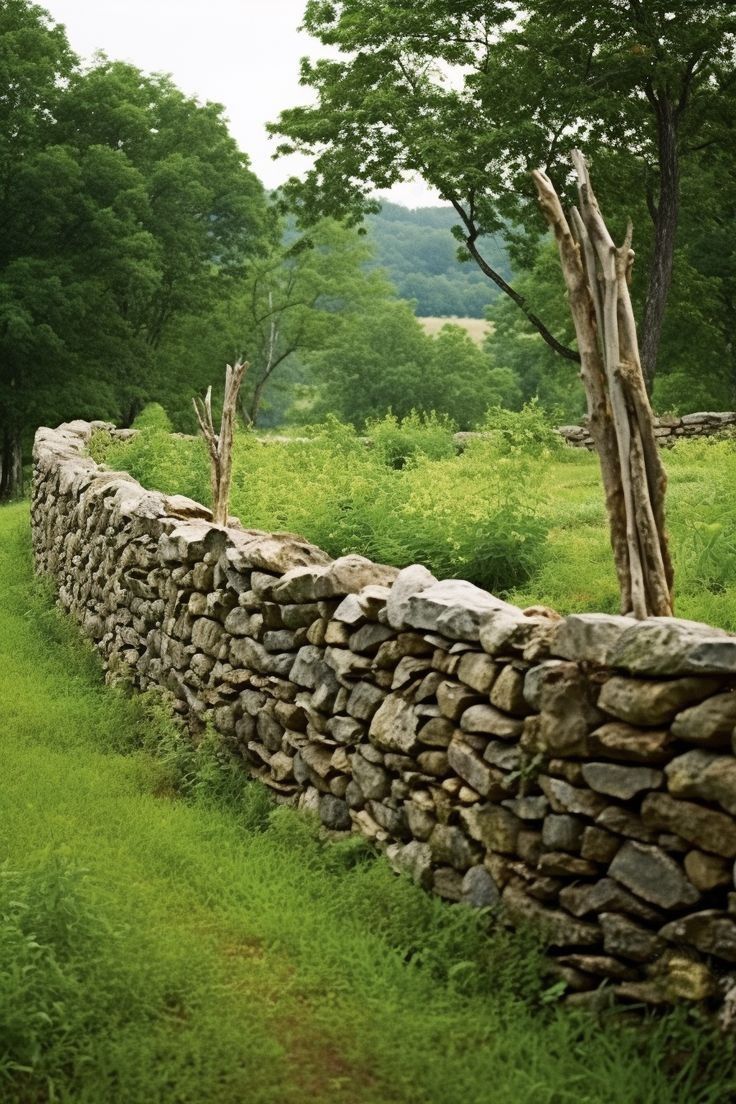
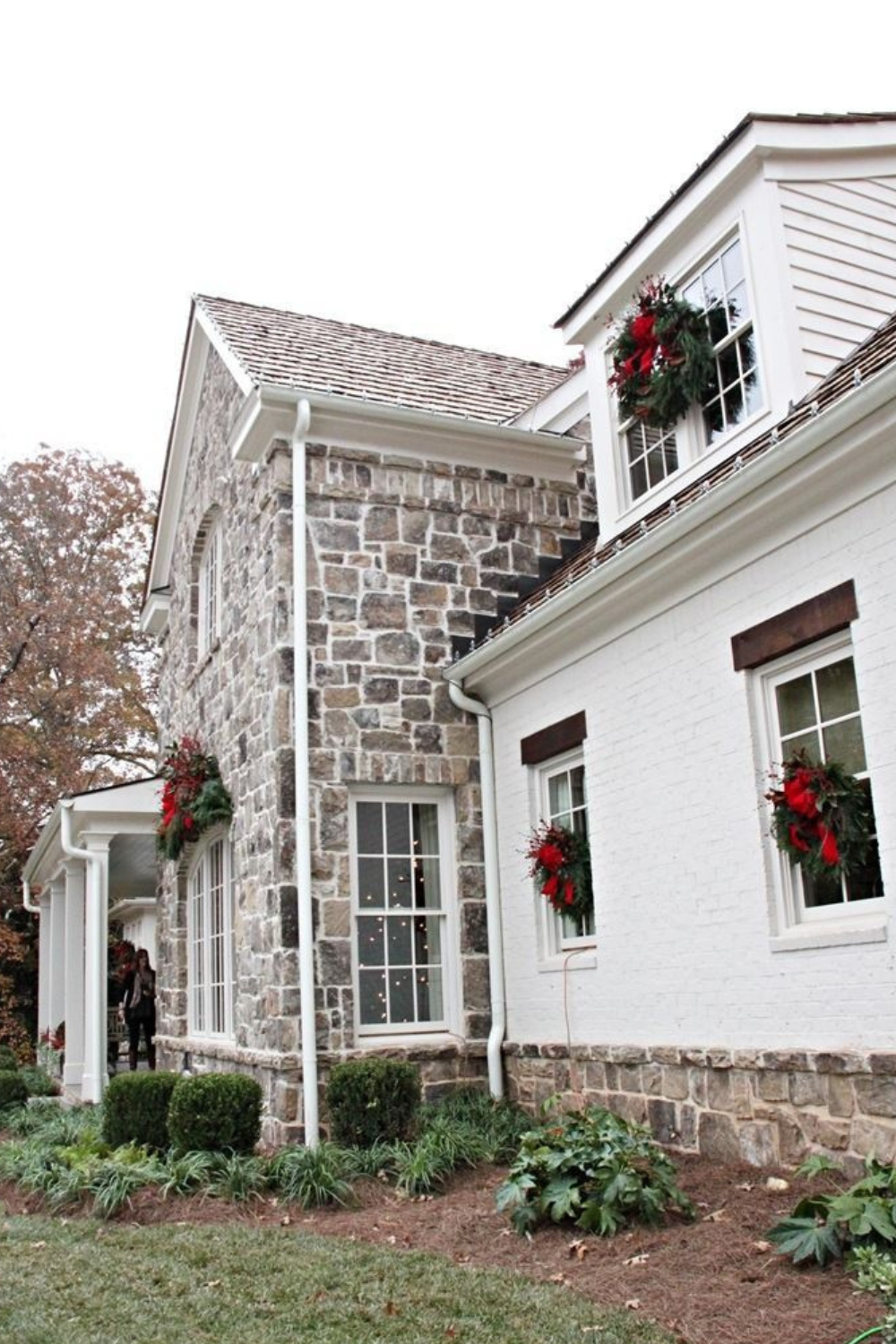
Historic stone foundations, often found in older homes and buildings, were typically constructed using locally sourced stone and traditional masonry techniques. These foundations served as the cornerstone of the structure, providing stability and support while reflecting the architectural styles and craftsmanship of their time. Over the years, however, factors such as settling, erosion, and moisture infiltration can lead to deterioration and structural issues that necessitate restoration.
The Restoration Process
Restoring a historic stone foundation is a meticulous process that requires careful planning, expert craftsmanship, and a deep understanding of traditional building methods. The process typically begins with a comprehensive assessment of the foundation's condition, identifying areas of damage, deterioration, and structural weakness. From there, skilled masons employ a combination of techniques to repair and reinforce the foundation while preserving its historic character and integrity.
Repairing Structural Damage
One of the primary objectives of historic stone foundation restoration is to address structural damage and stabilize the foundation. This may involve repairing cracked or crumbling stones, repointing mortar joints, and reinforcing weak areas to ensure the foundation's strength and stability. Skilled masons use traditional techniques and materials to seamlessly blend new repairs with the original stonework, preserving the foundation's aesthetic appeal and historical significance.
Waterproofing and Moisture Management
Moisture infiltration is a common cause of damage to historic stone foundations, leading to erosion, efflorescence, and mold growth. As part of the restoration process, waterproofing measures are often implemented to protect the foundation from water intrusion. This may include applying sealants or coatings to the exterior surface, installing drainage systems to divert water away from the foundation, and ensuring proper grading to promote drainage.
Preserving Historical Integrity
Preserving the historical integrity of a stone foundation is paramount in the restoration process. Skilled craftsmen take great care to retain as much of the original fabric as possible, using traditional materials and techniques to ensure authenticity. This may involve salvaging and reusing original stones, replicating historic mortar mixes, and maintaining architectural features that contribute to the foundation's character and charm.
Conclusion
Restoring a historic stone foundation is a labor of love that requires dedication, expertise, and a profound respect for the past. By preserving these architectural treasures, we honor the legacy of those who came before us and ensure that future generations can continue to appreciate the beauty and craftsmanship of our built heritage. Through careful restoration and preservation efforts, we can safeguard these historic landmarks for years to come, preserving the past for the enjoyment and inspiration of generations yet to come.