Proper Grading: Directing Water Away From Your Foundation

Mike Murphy • February 6, 2024

The grading around your home's foundation plays a crucial role in preventing water damage.

A house with a for sale sign in front of it

Proper grading ensures that rainwater flows away from the foundation rather than pooling around it. By maintaining a slope that encourages water runoff, you can minimize the risk of water seepage and protect your stone foundation from moisture-related issues.


Understanding Grading

Grading refers to the slope of the soil surrounding your home. Ideally, the ground should slope away from the foundation in all directions, creating a natural pathway for rainwater to drain away from the house. Proper grading prevents water from accumulating near the foundation, reducing the likelihood of water infiltration and subsequent damage.


Assessing and Adjusting Grading

Regularly inspect the grading around your home to ensure that it is sloped away from the foundation. Use a level or a straight edge to check the angle of the ground, aiming for a gradual slope of at least one inch per foot for the first six feet away from the foundation. If you notice areas where water tends to collect or puddle, these may indicate improper grading and should be addressed promptly.


Corrective Measures

If grading issues are identified, corrective measures may be necessary to improve drainage and prevent water damage. This can involve adding soil to create a more pronounced slope, regrading the landscape to redirect water flow, or installing a French drain or other drainage system to channel water away from the foundation.


Professional Assistance

In some cases, achieving proper grading may require professional expertise. Landscaping professionals or masonry contractors experienced in foundation drainage can assess the grading around your home and recommend appropriate solutions tailored to your specific needs.


Conclusion

Proper grading is essential for protecting your stone foundation from water damage. By ensuring that the ground slopes away from the foundation and promotes efficient drainage, you can minimize the risk of water infiltration and preserve the integrity of your home's foundation.


Regular inspection and maintenance of grading are key to identifying and addressing any issues before they escalate. Investing in proper grading today can help prevent costly repairs and ensure the long-term stability and durability of your stone foundation.
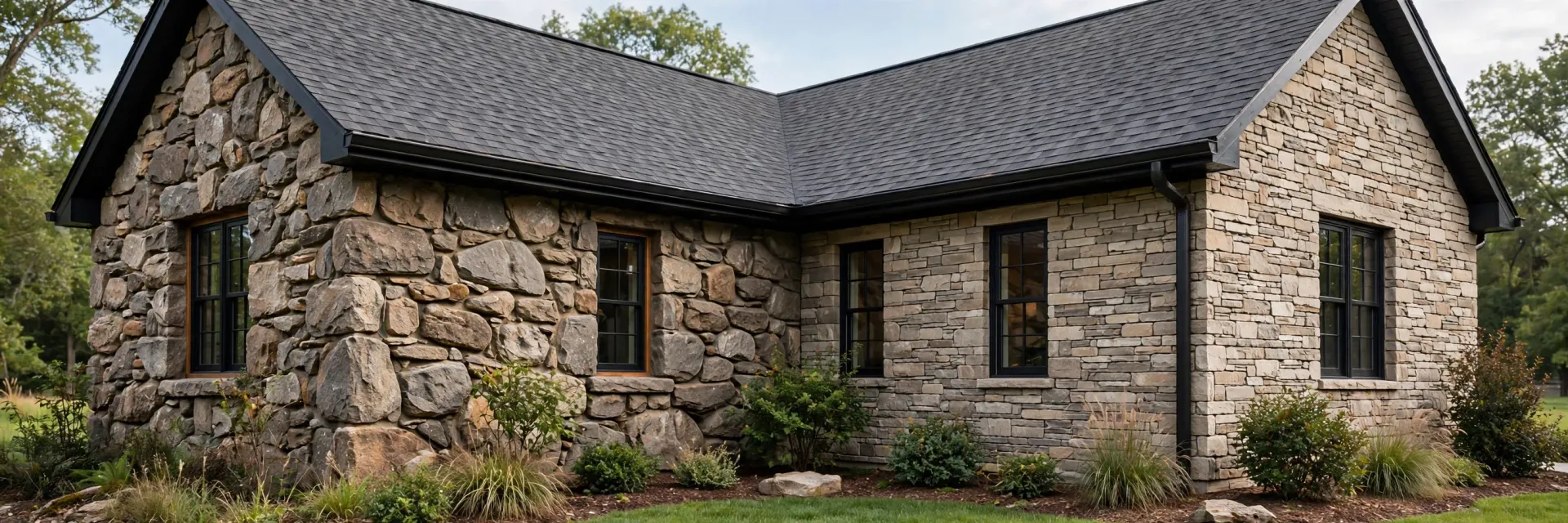
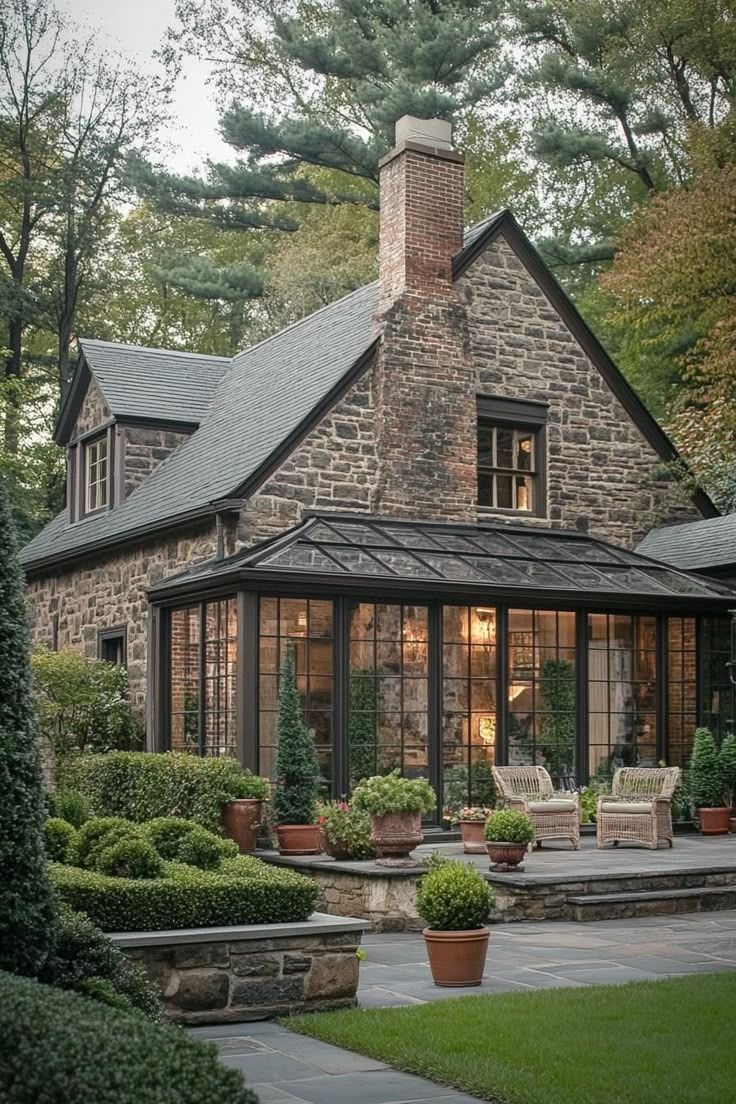
Stone cottage with glass sunroom and patio seating amid trees and landscaped garden
By Mike Murphy • March 19, 2025
Stone Foundations Require Seasonal Care
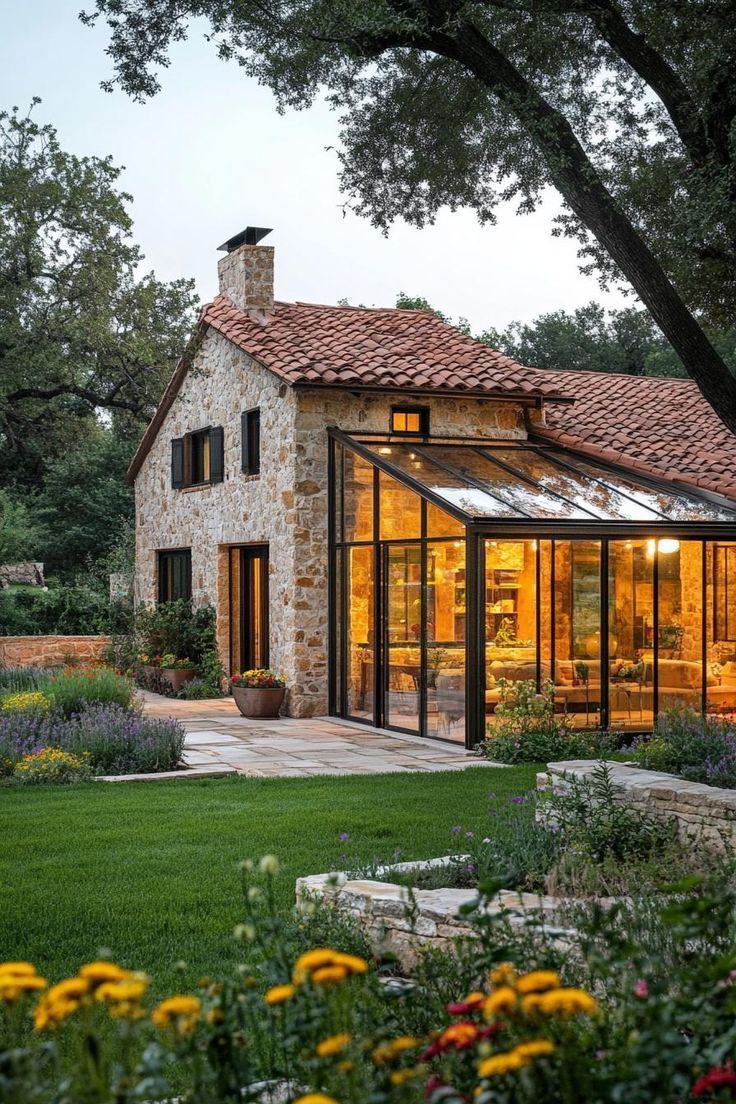
Stone cottage with glass sunroom glowing warm at dusk, surrounded by garden and trees
By Mike Murphy • March 15, 2025
Balance Between Modernity and Nature
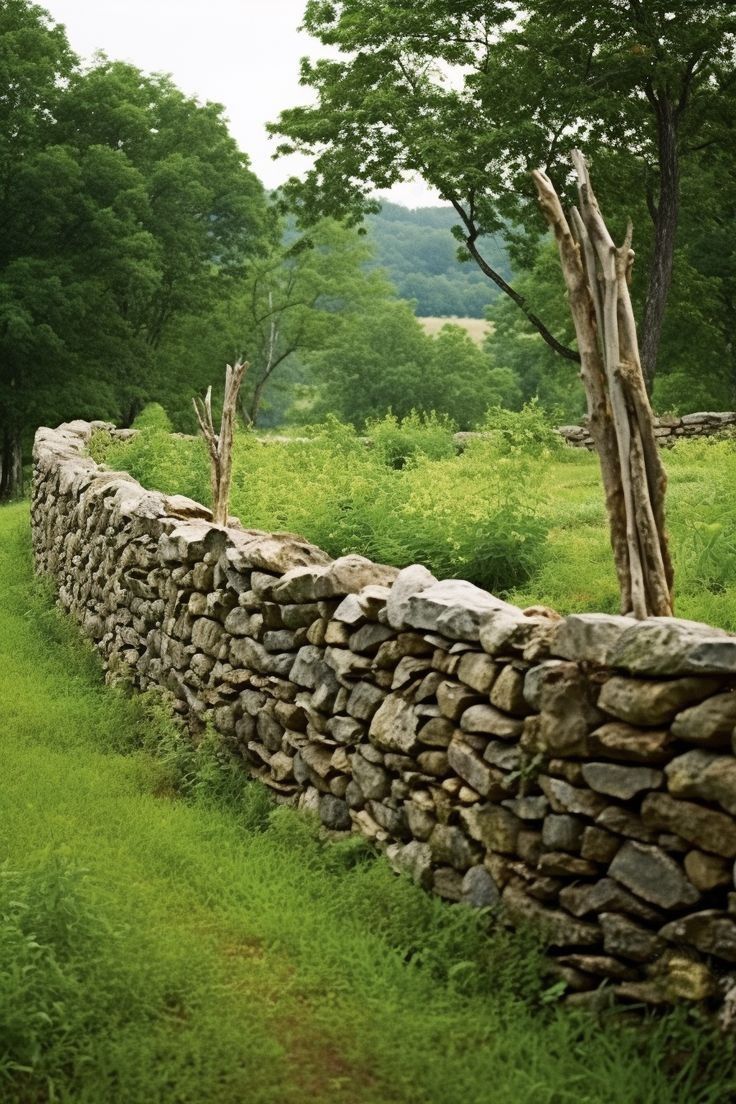
Stone wall along a grassy path in a lush green countryside
By Mike Murphy • March 11, 2025
Dry stone walling, a time-honored craft that dates back centuries, has evolved significantly while retaining its fundamental principles. Originally used by ancient builders to create durable boundaries and agricultural terraces, dry stone walling relied solely on skill, precision, and the natural properties of stone. Without the use of mortar, these structures were built by carefully selecting and placing stones to form a stable, interlocking system capable of withstanding the test of time. Throughout history, traditional techniques have been passed down from one generation to the next, preserving the essence of this ancient art. Today, modern craftsmen continue to honor these methods while incorporating contemporary tools and practices. Innovations in stone cutting and layout design have enhanced the accuracy and efficiency of dry stone walling, enabling builders to create walls that are both aesthetically pleasing and remarkably robust.
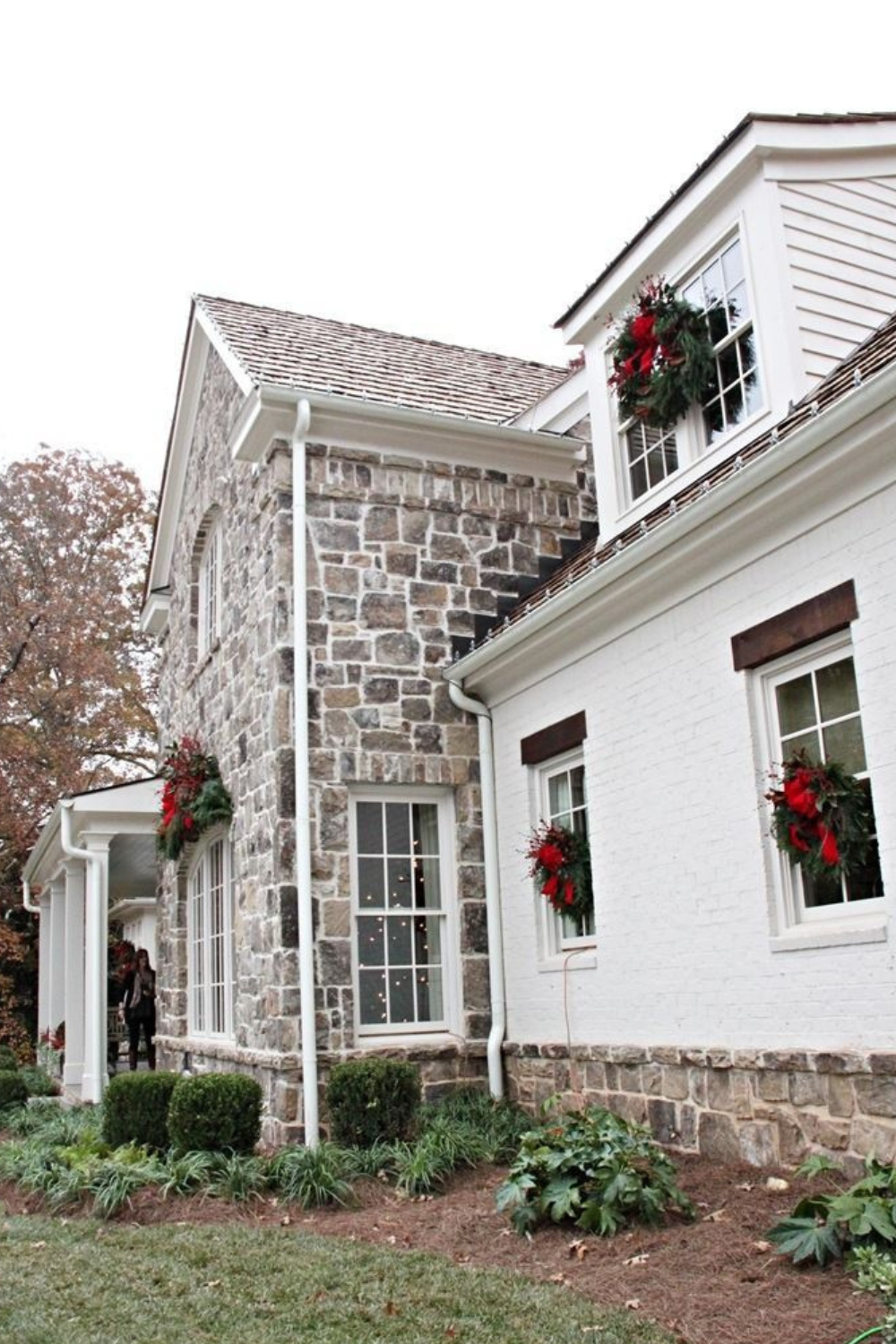
Stone house exterior with white trim, red holiday wreaths, and windows decorated with greenery
By Mike Murphy • March 8, 2025
Stone foundations have long been a hallmark of durability and aesthetic appeal in residential and commercial structures.
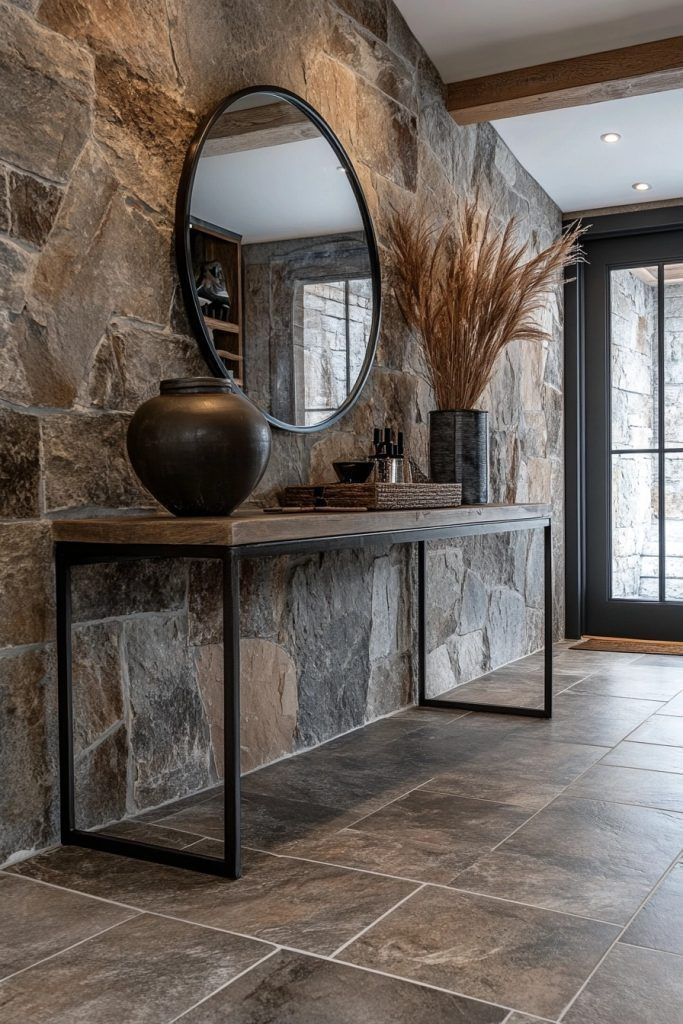
Rustic stone entryway with a dark console table, oval mirror, vase, and arched glass doors
By Mike Murphy • March 5, 2025
Stone masonry has experienced a renaissance in modern home design, blending traditional craftsmanship with contemporary aesthetics. Today’s homeowners and designers are increasingly drawn to the natural beauty of stone, using it to create striking architectural features that enhance modern living spaces. One popular trend is the use of stone veneer. Instead of heavy, full-scale stone, builders are opting for thin, lightweight veneer that can be applied to both exterior and interior surfaces. This approach reduces costs while offering greater flexibility in design, enabling the creation of textured walls, accent features, and elegant facades that complement a variety of styles.
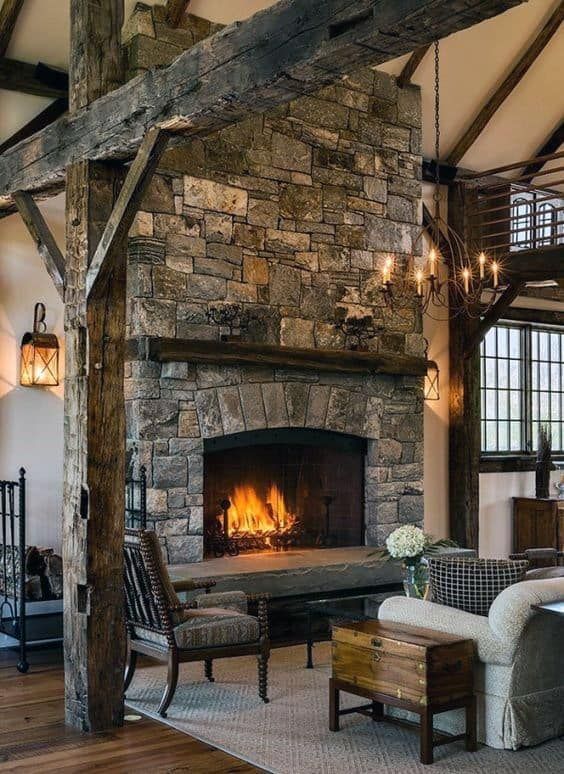
Rustic stone fireplace in a cozy living room with wood beams, chairs, and a lit fire.
By Mike Murphy • March 3, 2025
Stone fireplaces are not only a source of warmth but also a timeless design element that enhances your home’s character.
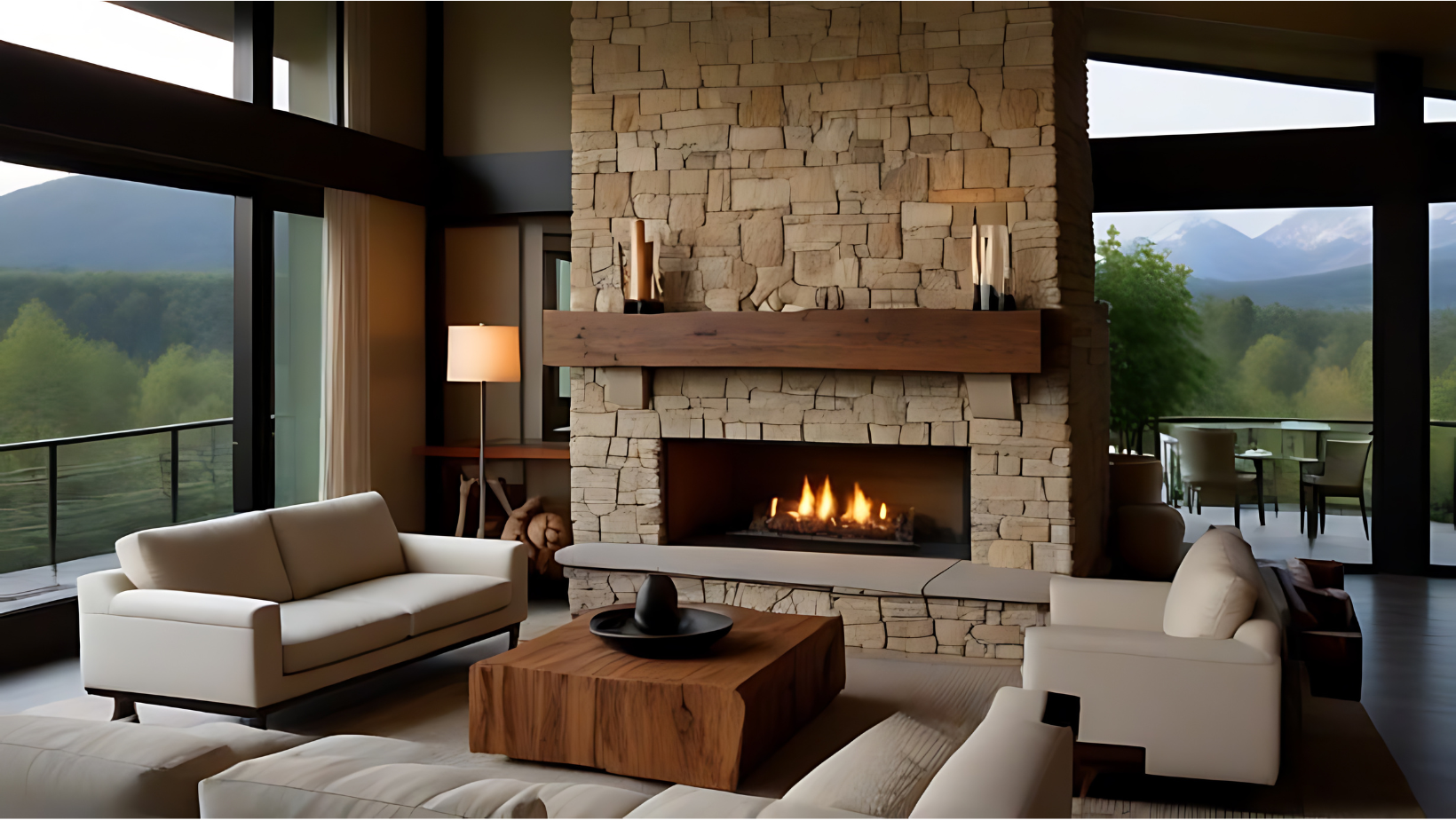
Modern living room with stone fireplace, large windows, and mountain view.
By Mike Murphy • May 7, 2024
Few things evoke warmth, charm, and timeless elegance in a home quite like a stone fireplace.
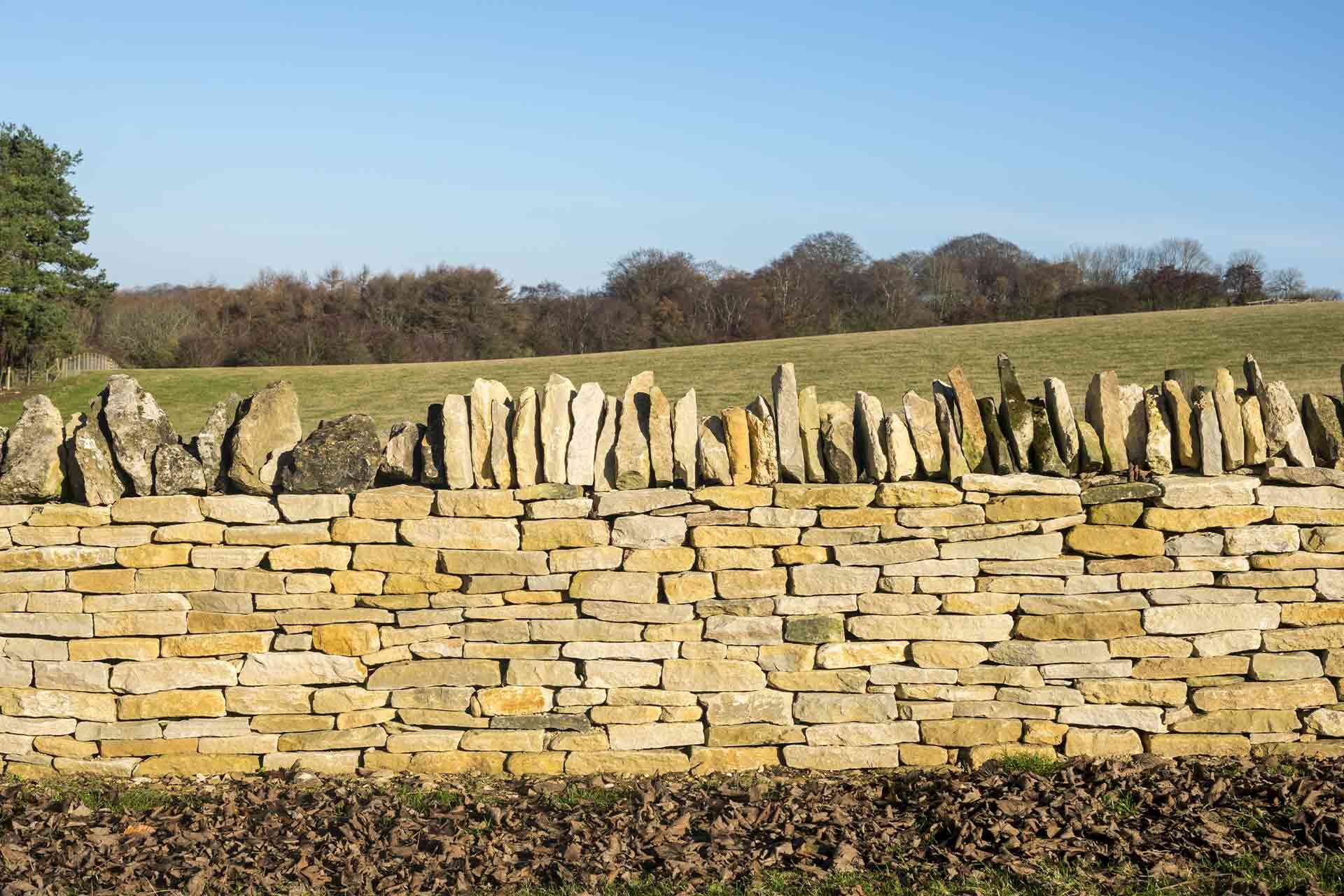
Stone wall topped with upright stones in a grassy field under a clear sky
By Mike Murphy • April 26, 2024
Introduction: Dry stone walling, an ancient building technique dating back thousands of years, continues to captivate with its timeless beauty and enduring craftsmanship. In this article, we'll explore the rich history, intricate techniques, and modern applications of dry stone walling, shedding light on its significance as both a functional and artistic element in landscape design. History and Heritage: Dry stone walling has deep roots in human history, with evidence of its use found in ancient civilizations around the world. From the terraced landscapes of the Mediterranean to the agricultural fields of Asia and the highlands of Scotland, dry stone walls have played a crucial role in shaping the landscapes and cultures of countless societies. Traditionally built without mortar, dry stone walls rely on the skillful arrangement of stones to create sturdy and resilient structures that can withstand the test of time. Techniques and Skills: The art of dry stone walling requires a unique set of techniques and skills that have been passed down through generations of craftsmen. Builders must carefully select and position each stone, ensuring a snug fit and stable structure without the use of mortar or adhesive. Key techniques include sorting stones by size and shape, laying a solid foundation, and interlocking stones to provide strength and stability. Mastering these techniques requires patience, precision, and a deep appreciation for the natural beauty of the materials. Modern Applications: While dry stone walling has deep historical roots, it continues to find relevance and resonance in modern landscape design. Today, dry stone walls are used in a variety of applications, from garden borders and retaining walls to erosion control measures and decorative features. Their timeless appeal and versatility make them a popular choice for homeowners, landscape architects, and designers seeking to create beautiful and sustainable outdoor spaces. Dry stone walls can be found in gardens, parks, estates, and public spaces around the world, adding character, charm, and visual interest to landscapes large and small. Case Studies and Inspiration: To truly appreciate the artistry and beauty of dry stone walling, one need only look to real-life examples and case studies from around the world. From the picturesque landscapes of Tuscany to the rugged coastlines of New England, dry stone walls stand as testaments to human ingenuity and craftsmanship. Whether used to terrace hillsides, define property boundaries, or create focal points in garden design, dry stone walls inspire awe and admiration with their simplicity, strength, and elegance.  Conclusion: As we reflect on the art of dry stone walling, we're reminded of its enduring legacy and timeless appeal. From its humble origins as a practical solution to agricultural challenges to its modern-day applications in landscape design, dry stone walling continues to captivate with its beauty, craftsmanship, and functionality. Whether you're a homeowner looking to enhance your garden or a landscape architect seeking inspiration for your next project, dry stone walling offers endless possibilities for creating stunning and sustainable outdoor spaces that stand the test of time.
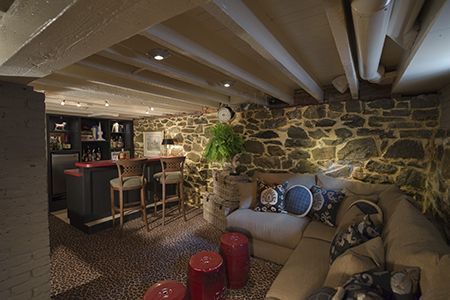
Cozy rustic basement lounge with stone walls, exposed beams, sofa, bar stools, and red ottomans
By Mike Murphy • April 5, 2024
Introduction: Basements often serve as underutilized spaces in our homes, relegated to storage or laundry duties. However, with a little creativity and vision, basements can be transformed into functional and inviting spaces that add value and versatility to your home. In this article, we'll explore a variety of ideas for maximizing the potential of your basement and turning it into a welcoming retreat for family and guests alike.